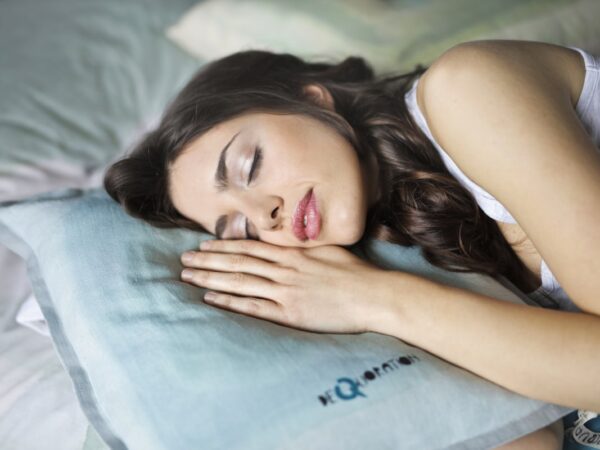


Quality sleep is not a luxury; it’s a biological necessity. Yet, for many, a quiet night is hard to come by. Whether you’re dealing with a snoring partner, city traffic, or noisy neighbors, unwanted noise is a major sleep thief. This guide is for anyone who has had enough. We’re cutting through the marketing fluff to give you a direct, comprehensive review of the best earplugs for sleeping. This is for light sleepers, people with noisy partners, and anyone who just needs some peace. It is not for individuals who must remain alert to hear a baby crying or a critical alarm.

What Does NRR Actually Mean for Your Sleep?
The first acronym you’ll see on any earplug package is NRR, or Noise Reduction Rating. It’s the most important metric, but it’s widely misunderstood. The NRR is a number, measured in decibels (dB), that indicates how much sound the earplugs can block in a controlled laboratory environment. A higher NRR means more noise reduction.
Here’s the mistake people make: they see a 33 NRR and assume it will slash 33 decibels off the noise around them. That’s not how it works in the real world. Your actual noise reduction will almost always be lower due to factors like how well the earplug fits your specific ear canal and the type of noise you’re trying to block. For a more realistic expectation, you can roughly cut the NRR in half. So, a 30 NRR earplug will likely provide about 15 dB of noise reduction in your bedroom. This is a critical distinction, as relying solely on the advertised NRR can lead to disappointment.
So, what NRR do you actually need? It depends entirely on your situation:
- For a Snoring Partner: This is a top complaint. You’ll want a high NRR, somewhere in the 25-33 dB range. This is strong enough to muffle most snoring without making you feel completely isolated. If you opt for a lower NRR, expect to still hear some level of snoring.
- For City Noise and Traffic: If you live in an urban area, a mid-range NRR of 20-25 dB is often sufficient. It will dull the constant low-frequency sounds of traffic and distant sirens, creating a more peaceful backdrop. Going too high here might make you feel too disconnected.
- For General Light Sleepers: If you’re just easily woken by minor household sounds, a lower NRR of 15-20 dB can provide a gentle buffer. This allows for some ambient sound, which many find less jarring than complete silence.
The Main Types of Earplugs: A Tradeoff Between Silence and Comfort
Choosing an earplug is an exercise in balancing tradeoffs. You’re primarily weighing noise reduction against comfort and cost. There are four main categories to consider.
Foam Earplugs: Maximum Power, Minimum Cost
Pros: Made from PVC or polyurethane, foam earplugs are the undisputed champions of noise blocking. They boast the highest NRRs, often hitting 32-33 dB. They are also incredibly cheap, available in bulk for just a few dollars.
Cons: The major downside is comfort, particularly for side sleepers. They work by expanding to fill the ear canal, which can create uncomfortable pressure. When you lie on your side, the pillow pushes the earplug, intensifying that pressure. They are also disposable and can become a breeding ground for bacteria if reused too many times, leading to potential ear infections. If you do reuse them, expect to clean them thoroughly after each use.
Top Pick (Foam): 3M E-A-R Classic. They are the industry benchmark for a reason, offering superb noise reduction. If you can get used to the fit, their performance is unmatched for the price. They’re a solid choice if absolute silence is your priority and comfort is secondary.

Silicone Putty Earplugs: The Moldable, Comfortable Solution
Pros: These are made of a soft, pliable silicone that you mold to cover the outer ear canal, creating a seal without deep insertion. This makes them significantly more comfortable for side sleepers, as there’s no hard object pressing into your ear. They are reusable for several nights and easy to clean with mild soap and water.
Cons: The NRR is generally lower than foam, usually around 22 dB. This is good for dampening sound but may not be enough for very loud snoring or extremely noisy environments. The part nobody tells you is that their effectiveness is entirely dependent on getting a perfect seal. If you move around a lot in your sleep, that seal can break, allowing noise to seep in.
Top Pick (Silicone): Mack’s Pillow Soft Silicone Earplugs. A long-time favorite for their balance of comfort and decent noise reduction. They are an excellent choice for travel and general use, offering a good middle ground.
Wax Earplugs: The Natural, Comfortable Alternative
Pros: Similar to silicone putty, wax earplugs are moldable and seal the outer ear. Many users find them even more comfortable than silicone, as the wax softens with body heat, conforming perfectly to your ear’s contours. They provide moderate noise reduction, typically in the 20-25 NRR range.
Cons: They can be a bit messy and may leave a slight residue on your ear or bedding. They are also less durable than silicone and tend to degrade more quickly with repeated use. If you do use them, expect to replace them more often than silicone options, which adds to the long-term cost.
Custom-Molded Earplugs: The Ultimate (and Priciest) Quiet
Pros: These are the pinnacle of earplug technology. An audiologist takes an impression of your ear canal to create a set of earplugs that fit you perfectly. The result is unparalleled comfort, even for side sleepers, as they are designed specifically for your ear’s unique shape. They can even be made with special filters to block specific frequencies.
Cons: The price is the biggest hurdle, with costs ranging from $100 to over $200. It’s a serious investment. My sharp opinion: I’d skip this if you’re just a casual user or haven’t first tried and failed with cheaper options. But for someone with a chronic, severe noise problem, they can be life-changing and well worth the expense in the long run.
Our Top Earplug Recommendations for 2026
After reviewing the options, here are our top picks based on performance, comfort, and value, helping you navigate the crowded market:
- 3M E-A-R Classic (Best Foam): For pure, unadulterated noise blocking, nothing beats their 33 dB NRR. The tradeoff is potential discomfort for side sleepers, but for back sleepers or those who prioritize silence above all else, these are a clear winner.
- Mack’s Pillow Soft (Best Silicone): The go-to for comfort. Their 22 dB NRR is solid for most situations, and they are a dream for side sleepers due to their moldable nature and shallow fit. They offer a great balance of noise reduction and wearability.
- Loop Quiet (Best Design): With a 26 NRR, these stylish silicone earplugs offer great noise reduction and a low-profile design that sits flush in the ear, making them exceptionally comfortable for side sleepers. They are more expensive than Mack’s, but their superior comfort, aesthetic appeal, and higher NRR justify the cost for many who seek both function and form.
- Flents Quiet Please (Best Budget Foam): A great, no-frills foam option. They provide good noise reduction and are perfect if you want to try foam without committing to a large box of 3Ms. They’re an excellent entry point into foam earplugs without a significant financial outlay.

The Side Sleeper’s Dilemma: Finding Comfort in Silence
It’s the most common complaint: you roll onto your side, and the earplug feels like a rock being jammed into your head. This pressure can be more disruptive than the noise you’re trying to block, leading to interrupted sleep and discomfort. If you do this, expect to wake up with a sore ear and potentially a headache.
How to Solve It:
- Prioritize Moldable Options: Silicone putty or wax earplugs are the best solution. They seal the outside of the ear canal and don’t have a long tip that gets pushed in, significantly reducing pressure points.
- Consider Low-Profile Designs: Loop Quiet earplugs are specifically designed to be comfortable for side sleepers, sitting flush with the ear and minimizing contact with the pillow.
- Go Custom: If all else fails, custom-molded earplugs are the guaranteed, albeit expensive, solution. Their bespoke fit ensures maximum comfort regardless of your sleeping position.
Are Earplugs Safe for Nightly Use? Addressing Common Concerns
Yes, sleeping with earplugs is generally safe, but only if you practice good hygiene and proper insertion techniques. The two main risks are ear infections and earwax impaction, both of which are largely preventable.
Keep Them Clean: This is non-negotiable. Disposable foam earplugs should be tossed every few nights, or sooner if they look dirty or lose their elasticity. Reusable silicone or wax plugs must be cleaned regularly with mild soap and water and allowed to air dry completely before reuse. Never put a dirty object in your ear; it’s an open invitation for bacteria.
Prevent Wax Buildup: Earplugs can sometimes push earwax deeper into the ear canal, potentially leading to blockages. To avoid this, make sure your ears are clean before insertion and don’t force the plugs in too deep. If you notice muffled hearing, ear pain, or a feeling of fullness, consult a doctor. Regular ear cleaning and proper earplug insertion can mitigate this risk.
The part nobody tells you about long-term use: While rare, some individuals might experience a slight increase in ear sensitivity or even tinnitus if they become overly reliant on earplugs and then suddenly stop using them. This is often psychological, as your brain adjusts to a new baseline of silence. If you’re concerned, gradually reduce usage rather than stopping abruptly. It’s a subtle but important consideration for consistent users.
FAQs About Sleeping with Earplugs
Can I get an ear infection from earplugs?
Yes, you can if you don’t keep them clean. Bacteria from your hands and the environment can grow on the earplugs and cause an infection in your ear canal. Cleanliness is your best defense against this, so always prioritize it.
How often should I replace my foam earplugs?
For daily use, a good rule of thumb is to replace them every 2-3 nights. If they become stiff, dirty, or lose their spongy texture, throw them out immediately. They are inexpensive, so don’t risk an infection to save a few cents; your ear health is worth more.
Will I be able to hear my alarm clock?
This is a critical tradeoff. With high NRR earplugs (25+ dB), there is a real chance you will sleep through a standard audible alarm. If you must wake up at a specific time, consider using a vibrating alarm clock, a smartwatch with a haptic alarm, or a sunrise-simulating light. Relying solely on an audible alarm with high NRR earplugs is a gamble.
Are custom-molded earplugs worth the cost?
For chronic noise issues, severe light sleepers, or those who find all other earplugs uncomfortable, custom-molded earplugs are absolutely worth the investment. They offer unparalleled comfort and a perfect fit, making them a long-term solution for undisturbed sleep, even if the upfront cost is significant.
What if earplugs fall out during the night?
If your earplugs consistently fall out, it’s usually a sign of an improper fit or incorrect insertion. For foam earplugs, ensure you’re rolling them into a tight cylinder before inserting and allowing them to expand fully. For moldable types, make sure you’re creating a good seal around the ear canal. Experiment with different brands or types, as ear canal shapes vary widely.
Your Next Step to a Quiet Night
Don’t endure another night of fragmented sleep. Start by identifying the type and level of noise you’re dealing with, then choose an earplug from our list that matches your needs and budget. Begin with an inexpensive option like Mack’s or Flents to see how you adapt. Investing a few dollars in the right pair of earplugs can pay massive dividends in your energy, mood, and overall health. A good night’s sleep isn’t just about feeling rested; it impacts everything from your cognitive function to your immune system. Make the choice for better sleep tonight.