

Volatile organic compounds (VOCs) are invisible guests in your home’s air, emitting from everything from fresh paint to new furniture. If you’ve ever loved the “new furniture smell” or the “new car smell,” you’ve experienced VOCs off-gassing firsthand. But while that scent might seem pleasant or harmless, VOCs can impact your indoor air quality and health. This guide explains how to reduce VOCs in home environments, helping you breathe easier without tearing out your walls or replacing all your belongings.
What VOCs Are and Why They Matter
VOCs are carbon-based chemicals that evaporate at room temperature, releasing gases into the air you breathe. The Environmental Protection Agency (EPA) notes that indoor VOC levels can be 2 to 5 times higher than outdoor air, making your home a hotspot for these compounds. Short-term exposure to VOCs can cause headaches, eye and throat irritation, dizziness, and nausea. Long-term exposure is more concerning: some VOCs, like formaldehyde and benzene, are classified as Group 1 carcinogens by the International Agency for Research on Cancer (IARC).
Not all VOCs carry the same risks—their toxicity depends on the specific compound and exposure dose. For example, the mild scent from a new book is a low-level VOC off-gassing, while prolonged exposure to formaldehyde off-gassing from pressed wood furniture can be more harmful.
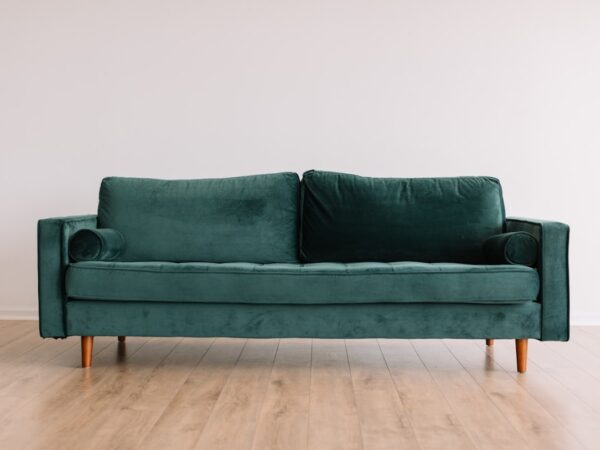
The familiar “new car smell” or “new furniture smell” that many people find appealing is literally VOCs off-gassing into your breathing air. That’s why understanding and managing VOC sources is vital for healthier indoor air.
The Biggest VOC Sources in a Typical Home (Ranked by Contribution)
Understanding the main culprits helps you target VOC reduction effectively. In most homes, these are the top sources:
-
Paint and Wall Coatings
Especially within the first 6-12 months after application, paints—especially conventional ones—emit significant VOCs. Zero-VOC paints are increasingly available and effective alternatives. -
Pressed Wood Furniture and Cabinetry
Particleboard, plywood, and MDF often use adhesives containing formaldehyde, a potent VOC. Off-gassing from these materials can last months or years. -
Flooring
Vinyl (LVP), laminate, and new carpet can emit VOCs, including phthalates and formaldehyde. Flooring emits VOCs most heavily in the first months after installation. -
Cleaning Products and Air Fresheners
Many household cleaners and air fresheners contain synthetic fragrances, which are complex VOC cocktails. -
Personal Care Products
Hairspray, nail polish, perfumes, and other cosmetics contribute VOCs that can accumulate indoors.
Knowing these sources helps you make targeted changes to reduce indoor air pollution.
How to Reduce VOCs Room by Room
Paint
Look for zero-VOC or ultra-low VOC paints from trusted brands like Benjamin Moore Natura or Sherwin-Williams Harmony. These formulas emit far fewer harmful compounds and still offer great coverage and durability.
Furniture
- Air out new pieces in a garage or outdoors for 3 to 7 days before bringing them inside.
- Prefer solid wood furniture over pressed wood to minimize formaldehyde exposure.
- Choose furniture certified under CARB Phase 2 standards, which limit formaldehyde emissions.
Flooring
- Opt for flooring certified by FloorScore or GREENGUARD Gold, which test for low VOC emissions.
- Avoid vinyl flooring in bedrooms or frequently occupied spaces where possible.
Cleaning
- Switch to fragrance-free, EPA Safer Choice products to cut down VOC exposure from cleaners.
- Avoid air fresheners and plug-ins which often release concentrated VOC mixtures.
Bedroom
- Use CertiPUR-US certified mattresses that limit VOC emissions.
- Choose fragrance-free bedding, laundry detergents, and personal care items.
- Eliminate plug-in air fresheners and scented candles.
If you are moving into a new construction home, keep windows open as much as possible for the first 3-6 months. The VOC load from paint, cabinets, and flooring combined is substantial.
Ventilation: The Single Biggest Lever
No matter how many low-VOC products you choose, ventilation remains the most effective way to reduce indoor VOCs. Here’s how to maximize it:
- Open windows for at least 15 minutes twice daily, ideally creating cross-ventilation to flush out stale air.
- Run bathroom and kitchen exhaust fans during and after use to remove moisture and VOCs.
- In newer, tightly sealed homes, consider installing an HRV (Heat Recovery Ventilator) or ERV (Energy Recovery Ventilator) to exchange indoor air with fresh outdoor air efficiently.
- When opening windows is not possible (e.g., extreme weather or pollution outside), use air purifiers with activated carbon filters. These can reduce some VOC concentrations but are not a full substitute for fresh air.
How to Test Your VOC Levels
If you suspect elevated VOCs or have persistent symptoms, testing can help:
- Handheld VOC meters ($100–$300) provide a general total VOC reading. They’re useful for monitoring trends but cannot identify specific chemicals.
- Professional indoor air quality testing ($200–$600) offers detailed analysis of individual VOCs and their concentrations. This is advisable after renovations or if you have ongoing health concerns.
Frequently Asked Questions (FAQs)
Do houseplants reduce VOCs?
Barely. The popular NASA study demonstrating VOC removal by plants was conducted in sealed chambers. In real homes, you would need hundreds of plants to match the effect of opening a window for just 5 minutes.
How long do new products off-gas?
Most VOC emissions drop by 80-90% within 3 to 6 months. However, formaldehyde from pressed wood products can continue releasing lower levels for years.
Are soy candles better than paraffin?
Soy candles produce fewer VOCs but still emit some compounds when burned. Beeswax candles are the cleanest option. Unscented candles are always preferable over scented ones to reduce VOC exposure.
Does off-gassing mean something is toxic?
Not necessarily. Many harmless or mildly irritating VOCs cause off-gassing odors (like the smell of a new book). The key questions are which VOCs are present and at what levels.
For more tips on improving your home’s air quality, check out our guides on Best Air Purifier for Allergies, Non-Toxic Cleaning Products, and How to Improve Indoor Air Quality.
By understanding how to reduce VOCs in home environments and taking practical steps room by room, you can enjoy fresher, healthier indoor air without a costly renovation. Remember: ventilation is your strongest ally, combined with choosing low-VOC products and airing out new items. Your lungs—and your family—will thank you.
“`