


If you’ve tried meditation before and felt like your mind just wouldn’t quiet down, you’re not alone. Meditation isn’t about stopping your thoughts or emptying your mind. Instead, it’s about training your attention — noticing when it drifts and gently bringing it back. This subtle shift in how you approach meditation can make all the difference. In this guide, you’ll learn what meditation really is, which methods suit beginners best, how to overcome common obstacles, and practical steps to build a meditation habit that lasts.
What Meditation Actually Is (and Is Not)
Meditation is often misunderstood as “clearing your mind” or “thinking about nothing.” That misunderstanding is the number one reason beginners quit early. The truth is simpler and more practical: meditation is attentional training. When you meditate, you aren’t trying to stop your thoughts. Instead, you practice noticing when your attention drifts away from your chosen focus—often the breath—and intentionally bring it back. This act of redirecting attention is the real exercise, much like the bicep curl is the exercise, not holding the weight at the top.

Imagine your attention as a wild puppy. It runs off chasing squirrels (thoughts, sensations, distractions). Meditation is the process of gently calling the puppy back again and again. Each time you notice the distraction and return your focus, that’s one repetition. The “mind wandering” is not a failure; it’s the workout.
Neuroscience supports this understanding. A key study by Hölzel and colleagues (2011) showed that consistent meditation increases gray matter density in the prefrontal cortex—the brain region responsible for attention, decision-making, and emotional regulation. The same study found reduced reactivity in the amygdala, the brain’s fear and stress center. This means meditation physically changes your brain to improve focus and reduce stress responses.
If you expect meditation to be a blissful, thought-free zone, you’ll likely feel frustrated. Instead, think of it as mental fitness training. Your mind wandering is the challenge, and returning focus is the skill you’re building.
The Benefits That Have Held Up in Research
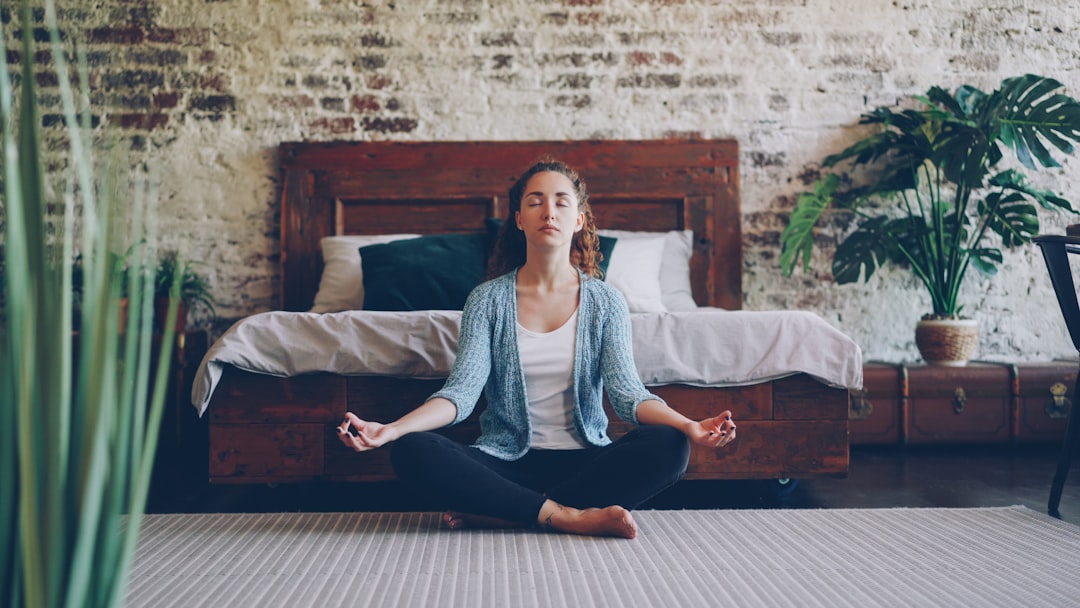
Meditation’s popularity has exploded, but which benefits are actually backed by science? The evidence shows meditation offers moderate, reliable improvements in several areas—especially when practiced consistently.
Stress reduction is the most well-documented benefit. Mindfulness-Based Stress Reduction (MBSR) programs, which apply meditation in an 8-week structured format, consistently reduce cortisol levels—the body’s stress hormone. This translates into feeling calmer and more resilient in daily life.
Anxiety relief is another area where meditation helps. Meta-analyses, including one by Goyal et al. (2014), found that mindfulness meditation has a moderate effect size comparable to some first-line anxiety medications for generalized anxiety disorder. That doesn’t mean meditation replaces medication, but it can be a powerful complementary tool.
Focus and attention improve with meditation practice. Studies show that after 8 weeks of daily meditation, participants exhibit better sustained attention and less distractibility. These improvements come from strengthening the prefrontal cortex circuits involved in executive control.
Emotional regulation also benefits. Meditation trains you to observe emotions without immediately reacting. Over time, this reduces emotional hijacking and impulsive responses, helping with mood stability and interpersonal relationships.
Blood pressure reductions have been observed in hypertensive individuals practicing meditation regularly. While the effect size is small, it can be clinically meaningful, particularly when combined with lifestyle changes.
It’s important to be honest about the scope of these benefits. Meditation is not a magic cure-all. Effect sizes are moderate, not miraculous. Five minutes of meditation once won’t shift your cortisol or anxiety significantly. Benefits compound with consistent, sustained practice over weeks.
The takeaway: Meditation works, but it works slowly. If you’re expecting instant calm or concentration after one session, you’ll likely feel disappointed. If you commit to a routine, you’ll notice subtle but meaningful shifts.
Which Type Should You Start With
Meditation comes in many forms, and beginners often feel overwhelmed by choices. The key is to start simple and pick a style suited to your personality and needs.
Focused Attention Meditation (Breath Awareness) is the easiest entry point and the most studied. You simply pay attention to your breathing, noticing the inhale and exhale. When your mind wanders, you bring it back to the breath. This method builds foundational attention skills.
Body Scan Meditation involves mentally scanning your body from head to toe, noticing sensations without judgment. It’s especially helpful if focusing on the breath feels boring or increases anxiety. The body scan anchors your attention in physical sensations, which can ground a restless mind.
Guided Meditation apps provide spoken instructions, timers, and cues. This approach lowers the barrier to entry and helps with accountability. Beginners often find it easier to follow a voice guiding them than to meditate completely solo.
Loving-Kindness (Metta) Meditation focuses on cultivating feelings of goodwill toward yourself and others. It has strong evidence for improving mood and social connection but can feel awkward at first. If you’re someone who struggles with self-criticism, this practice can be transformative once you get past the initial discomfort.
Walking Meditation is ideal if sitting still feels impossible. You focus attention on the sensations of walking—heel to toe, the shifting weight, the contact with the ground. This method combines movement with mindfulness, making it accessible for restless beginners.
Open Monitoring (Vipassana) meditation involves observing whatever arises in consciousness without attachment. It requires more advanced attentional stability and emotional maturity, so it’s not recommended for true beginners.
My recommendation: Start with focused attention on the breath for 5–10 minutes per day. Use a guided app if you need structure. Once comfortable, experiment with body scans or walking meditation if breath focus feels frustrating or boring.
The “I Can’t Meditate” Problem (and How to Fix It)
If “I can’t meditate” sounds familiar, you’re in good company. Even experienced meditators’ minds wander nearly half the time during sessions. One study found that practiced meditators’ minds wandered 47% of the time, but the difference is they noticed sooner and returned attention more quickly.
Here are common obstacles beginners face and how to address them:
-
“My mind won’t stop racing.” This is the core of meditation, not a failure. Every time you catch your mind wandering and bring it back, you’re strengthening attention. Think of it as reps in a workout. If you expect a quiet mind, you’ll get frustrated. Instead, expect wandering and view it as progress.
-
“I don’t have time.” Five minutes daily counts. The goal is consistency, not duration. If you only have 3–5 minutes, that’s better than zero. Try sticking to a short, manageable routine rather than aiming for long sessions you won’t maintain.
-
“I fall asleep.” That’s a sign you might be too relaxed or meditating when tired. Try sitting upright rather than lying down, or shift your practice to earlier in the day. Walking meditation can also help if stillness leads to dozing.
-
“It feels pointless.” Meditation benefits compound over weeks, not minutes. If you stop after 3 tries, you won’t notice much. The people who say “meditation doesn’t work for me” usually gave up too soon. Think of meditation like exercise — the first three gym visits don’t build a six-pack.
If apps haven’t worked for you, try a simple timer with no guidance. Some find narration distracting. If sitting still feels like torture, start with walking meditation. There’s no rule that meditation must happen on a cushion or in silence.
The 2-Week Starter Protocol
A simple, stepwise approach helps build a sustainable meditation habit without overwhelm.
-
Day 1-3: Start with 3 minutes of breath focus meditation. Inhale for 4 counts, exhale for 6. Use an app with a timer or a simple stopwatch. Focus on counting breaths to anchor attention.
-
Day 4-7: Increase to 5 minutes. By this point, you’re building the habit of showing up. Don’t worry about “good” or “bad” sessions. Track completion, not quality.
-
Day 8-14: Extend to 7-10 minutes. Begin noticing subtle changes in baseline stress and focus. Keep the breath focus but feel free to try body scans or guided meditations if preferred.
Anchor your meditation to an existing habit for consistency. For example, meditate right after your morning coffee or before opening your work laptop. Habit stacking makes it easier to remember and less likely to be skipped.
The first week’s aim is simply to do it daily. The second week’s goal is to start tuning into how you feel differently. This gradual increase prevents overwhelm and builds momentum.
Apps and Tools: A Quick Comparison
Meditation apps can be invaluable for beginners, but trying too many can cause decision fatigue. Here’s a straightforward comparison:
-
Headspace: Highly beginner-friendly with structured courses. Clear instructions and a friendly voice. Costs about $70/year. Great for those who want a guided, progressive program.
-
Calm: More ambient and sleep-focused, with nature sounds and sleep stories. Also $70/year. Better if you want meditation plus sleep aids.
-
Waking Up (Sam Harris): Philosophical and less hand-holding. Free with request or $100/year for full access. Good for those who want a deeper dive without fluff.
-
Insight Timer: Free with a massive library of guided meditations from many teachers. Less structured, which can be overwhelming. Great if you want variety and no cost.
-
Balance: Personalized meditation plans, free for the first year. Uses quizzes to tailor content. Good for those who want a custom experience.
Honest recommendation: Try 2-3 free trials and pick the one you actually open regularly. The best app is the one you use consistently, not the one with the flashiest features.
When Meditation Is Not the Right Tool
Meditation is not a one-size-fits-all solution. In some cases, it can even cause harm or be counterproductive.
For trauma survivors, especially those with dissociation or active PTSD, sitting quietly with your mind can worsen symptoms. Meditation may amplify feelings of disconnection or trigger flashbacks. In these cases, working with a trauma-informed therapist who can guide appropriate meditation or grounding techniques is critical.
People with psychosis or severe mental health conditions should avoid unguided meditation. Professional supervision is necessary to ensure safety.
For some with extreme anxiety, meditation initially increases rumination or panic. If sitting quietly makes symptoms worse, it’s valid feedback your brain is not ready for that form of stillness. Alternatives like breathwork exercises (see our breathwork guide) or physical movement can be more helpful.
Walking meditation or gentle yoga can be good substitutes. The key is to find mindfulness in movement rather than stillness, which can feel safer and more accessible.
FAQs
How long do you need to meditate to see benefits?
Most research uses 8-week programs with 10-20 minutes daily. Some studies show attention improvements after just 4 days of 20 minutes. For beginners, 5-10 minutes daily is realistic and effective if consistent.
Is meditation religious?
Meditation has roots in Buddhist and Hindu traditions, but secular meditation (like mindfulness-based stress reduction) contains no religious content. You can practice meditation without adopting any spiritual beliefs.
Can meditation replace therapy?
No. Meditation is a tool for mental wellness, not a clinical treatment. It can support therapy but is not a substitute for professional mental health care.
Is it better to meditate in the morning or at night?
Morning meditation can set a calm tone for the day, while evening meditation may help with sleep onset. Try both and see what fits your schedule and needs.
What to Do Next
If you’ve struggled with meditation before, try reframing your expectations: your wandering mind is the workout, not the failure. Start with 3-5 minutes of breath-focused meditation using a simple app or timer. Follow the 2-week starter protocol to build habit without overwhelm. Experiment with different styles if the breath focus doesn’t fit. Remember, the best meditation practice is the one you actually do every day. For deeper guidance, explore our morning routine article and breathwork guide for complementary tools to boost focus and reduce stress.