

If you’ve been told by your doctor to reduce inflammation or you’re experiencing nagging symptoms like joint pain, brain fog, fatigue, or skin issues, chances are chronic low-grade inflammation is playing a role. The good news? The anti-inflammatory diet is a powerful, evidence-backed way to address this root cause of many health problems. This guide will show you exactly what to eat, what to avoid, and how the research supports these choices.
Why Chronic Inflammation Is the Root of So Many Problems
Inflammation is a natural and essential healing response. When you cut your finger, acute inflammation helps fight infection and repair tissue. But chronic low-grade inflammation is a different beast. It quietly smolders inside the body, damaging cells and tissues over years — and it’s linked to heart disease, type 2 diabetes, many cancers, Alzheimer’s disease, depression, and even autoimmune conditions.
Doctors often measure inflammation using C-reactive protein (CRP), a blood marker that rises with systemic inflammation. Modern life feeds this chronic inflammation through a cascade of triggers: processed foods loaded with sugar and refined oils, gut microbiome imbalances (gut dysbiosis), obesity, chronic stress, poor sleep, and environmental toxins. No single cause stands alone — but diet is the lever most people can pull today to start turning down the inflammatory flame.
Here is the uncomfortable truth: you can take every anti-inflammatory supplement on the market and undo all of it with a daily diet of ultra-processed food. The diet is the foundation. Everything else is optimization.
What to Eat: The Evidence-Backed Anti-Inflammatory Foods
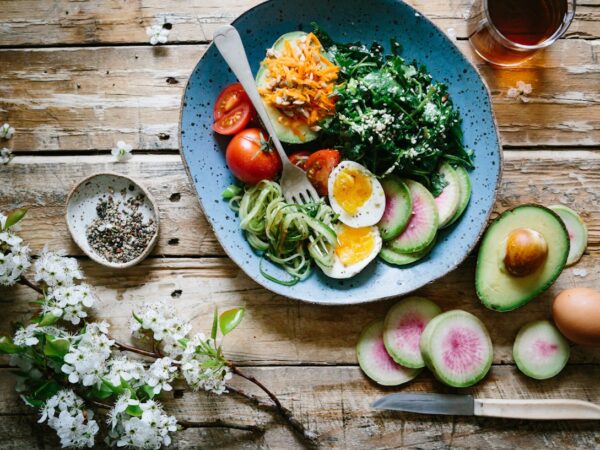
Not all foods are created equal when it comes to inflammation. Certain nutrient-rich, whole foods have been shown to actively reduce inflammatory markers and improve health outcomes.
- Fatty fish: Salmon, mackerel, sardines are rich in EPA and DHA omega-3 fatty acids, which reduce production of inflammatory cytokines. Aim for 2-3 servings per week. For example, enjoy grilled salmon with lemon and herbs twice weekly.
- Leafy greens and cruciferous vegetables: Spinach, kale, broccoli, and Brussels sprouts contain sulforaphane and antioxidants that protect cells from oxidative damage. Include a generous serving at every meal—think sautéed kale with garlic or fresh salad greens.
- Berries: Blueberries, strawberries, and blackberries have some of the highest antioxidant levels, especially anthocyanins. A half-cup of fresh berries daily, such as mixed into oatmeal or yogurt, is ideal.
- Extra virgin olive oil: Rich in oleocanthal, a compound with ibuprofen-like anti-inflammatory effects (Beauchamp et al., 2005). Use as your primary cooking and dressing fat—about 2 tablespoons daily.
- Nuts: Walnuts and almonds provide polyphenols and healthy fats that help modulate inflammation. A small handful (about 1 oz) as a snack or topping is perfect.
- Turmeric (curcumin): Potent anti-inflammatory, but poorly absorbed alone. Combine turmeric powder in curries or golden milk with black pepper (piperine) and fat to boost absorption.
- Green tea: Contains EGCG, a powerful antioxidant. Enjoy 2-3 cups per day.
- Dark chocolate: Choose 70%+ cocoa content and limit to 1-2 small squares per day for an antioxidant boost.
If you change one thing today, replace your cooking oil with extra virgin olive oil. If you change two things, add 2 servings of fatty fish per week. Those two moves alone shift the inflammatory needle more than most supplements.
What to Reduce or Remove: The Inflammatory Drivers
While adding anti-inflammatory foods is essential, reducing inflammatory triggers is equally important.
- Ultra-processed foods: The #1 offender by volume in most diets. These foods are often high in sugar, refined carbs, unhealthy fats, and additives that promote inflammation.
- Added sugar: Consuming more than 25g/day for women and 36g/day for men increases CRP and inflammatory pathways. Cut back on sugary drinks, desserts, and packaged snacks.
- Refined carbohydrates: White bread, pastries, and other refined grains cause rapid blood sugar spikes that trigger inflammation cascades.
- Excess omega-6 seed oils: Soybean, corn, and canola oils, especially in the quantities found in processed foods, can promote inflammation when out of balance with omega-3 intake. Moderate use in home cooking is fine.
- Excessive alcohol: More than one drink per day raises inflammatory markers.
- Trans fats: Mostly eliminated from the food supply but occasionally found in some processed products—avoid where possible.
This is about proportions, not perfection. You don’t need to eliminate every imperfect food, but aim for a diet where anti-inflammatory foods dominate your plate.
The Mediterranean Diet: The Closest Thing to a Proven Anti-Inflammatory Protocol
The Mediterranean diet is the most studied dietary pattern worldwide with consistent anti-inflammatory benefits. The landmark PREDIMED trial showed that a Mediterranean diet supplemented with extra virgin olive oil or nuts reduced cardiovascular events by 30%.
Key features include:
- Fatty fish 2-3 times per week
- Vegetables at every meal, especially leafy greens and colorful varieties
- Extra virgin olive oil as the primary fat source
- Moderate whole grains and legumes
- Regular fruit intake
- Limited red meat, mostly lean poultry
- Optional moderate red wine with meals
This is not a branded diet or a fad. It reflects traditional eating patterns around the Mediterranean Sea, which naturally reduce inflammation and promote longevity.
A Realistic 7-Day Anti-Inflammatory Meal Framework
Forget rigid meal plans. This framework lets you eat deliciously while staying anti-inflammatory.
- Breakfast: Protein + healthy fat + color
Examples: Eggs with avocado and mixed berries, or Greek yogurt topped with walnuts and blueberries. - Lunch: Fatty fish or quality protein + greens + olive oil dressing
Examples: Grilled mackerel salad with spinach and olive oil vinaigrette. - Dinner: Varied protein + roasted vegetables + whole grains or legumes
Examples: Roasted chicken with broccoli and quinoa. - Snacks: Nuts, dark chocolate, fresh fruit
This approach is flexible and sustainable. It mirrors how many Mediterranean cultures eat naturally—not restrictive or miserable.
Supplements That Complement the Diet
While food is the foundation, certain supplements can complement your anti-inflammatory efforts:
- Omega-3: See our Article 8 for detailed guidance on dosage and sources.
- Curcumin with piperine: 500-1,000 mg/day may help people with specific inflammatory conditions.
- Vitamin D: Adequate levels have anti-inflammatory effects.
- Probiotics: Support gut health, which is closely linked to inflammation. See Article 6 for more.
Remember: supplements support but do not replace a solid diet. A curcumin capsule won’t undo a daily fast-food lunch.
How to Measure Progress
Tracking inflammation helps stay motivated and adjust your approach.
- CRP blood test: Widely available, under $50 at most labs. High-sensitivity CRP (hs-CRP) offers more precision.
- Subjective markers: Pay attention to joint pain, energy levels, skin clarity, digestion, and mental clarity.
- Timeline: Most people notice subjective improvements within 2-4 weeks. Meaningful CRP reductions usually take 8-12 weeks of consistent change.
Tracking helps you know if your efforts are working and where to adjust.
FAQs
Is coffee inflammatory?
No. Most studies show coffee reduces inflammatory markers due to its polyphenol content. 1-3 cups per day is fine for most people.
Are nightshades (tomatoes, peppers) inflammatory?
No quality evidence supports this for the general population. Some with autoimmune conditions report sensitivities, but this is individual, not universal.
How fast can you reduce inflammation with diet?
Some markers improve within 2-4 weeks, but significant CRP reductions typically take 2-3 months of consistent dietary changes.
Is intermittent fasting anti-inflammatory?
Some evidence suggests it reduces inflammation, likely through caloric reduction and autophagy. See Article 11 for details.
Do I need to go fully organic?
Not necessarily. The Environmental Working Group’s “Dirty Dozen” list can guide prioritization if budget is tight. Overall, eating more vegetables outweighs pesticide concerns.
The anti-inflammatory diet is not about perfection but progress. Extra virgin olive oil costs more than vegetable oil, and salmon costs more than chicken nuggets. It’s not cheap, but it’s affordable by health standards. Prioritize whole foods, reduce processed junk, and your body will thank you with better energy, clearer skin, and less pain.
For deeper dives, check out our related articles on omega-3 fats, probiotics and gut health, and intermittent fasting.
Start today by making one or two simple swaps — your inflammation and your future self will thank you.
“`